The Rainforests Beneath the Waves
When most people think about the wildlife of Telegraph Cove, they picture whales, dolphins, and sea lions. Yet beneath the surface lies one of the most important ecosystems on the British Columbia coast: kelp forests.
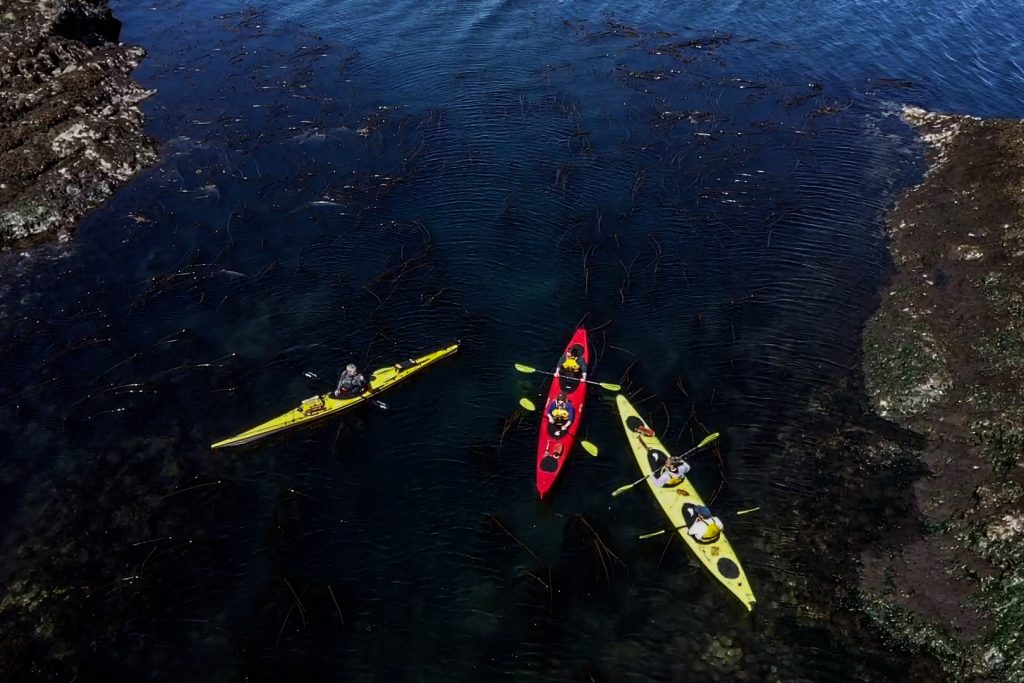
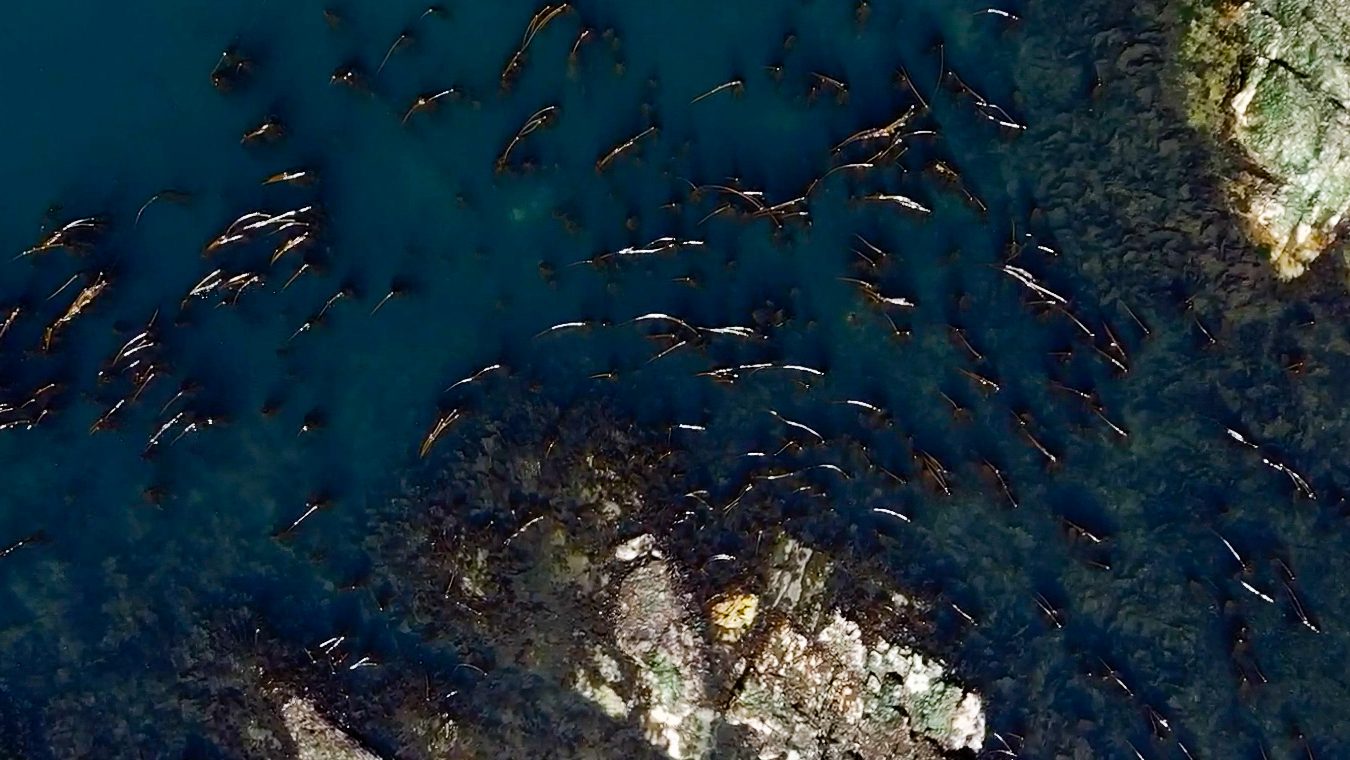
Often referred to as the rainforests of the sea, kelp forests create underwater habitats that support thousands of marine species throughout Vancouver Island and the waters surrounding Johnstone Strait. For kayakers exploring Telegraph Cove, these towering underwater forests are often visible just below the surface, gently swaying with the tides.
Despite looking like a plant, kelp is actually a large species of brown algae. Some varieties can grow more than 30 centimetres per day under ideal conditions, making them among the fastest-growing organisms on Earth. Giant kelp and bull kelp dominate many coastal ecosystems around northern Vancouver Island, creating complex habitats that provide shelter, food, and breeding grounds for marine life.
The importance of kelp forests extends throughout the food web. Juvenile salmon use kelp beds as nurseries, finding protection from predators among the dense fronds. Rockfish, herring, crabs, sea stars, and countless invertebrates rely on kelp habitat during different stages of their lives. Even marine mammals benefit. Healthy kelp ecosystems help support fish populations that ultimately contribute to the food sources relied upon by seals, sea lions, and whales.
Kelp forests also play an important role in combating climate change. Like terrestrial forests, kelp absorbs carbon dioxide from the atmosphere through photosynthesis. Scientists are increasingly studying the role that kelp forests may play in carbon sequestration and climate mitigation. While much remains to be learned, healthy kelp ecosystems are increasingly recognized as valuable allies in the fight against climate change.
One of the most fascinating aspects of kelp forests is the biodiversity they support. A single kelp bed can host hundreds of species, creating a vibrant underwater ecosystem that rivals tropical coral reefs in productivity. For paddlers travelling quietly through the waters of Blackfish Sound and Johnstone Strait, these ecosystems often reveal themselves through wildlife sightings above the surface. Eagles hunt fish attracted to kelp habitat. Harbour seals forage along the edges of kelp beds. Sea otters, when present, use kelp to anchor themselves while resting.
Unfortunately, kelp forests face growing challenges. Rising ocean temperatures, changing ocean chemistry, and habitat degradation can all impact kelp growth and survival. Conservation efforts throughout British Columbia increasingly recognize the importance of protecting these underwater habitats alongside more visible wildlife species.
At North Island Kayak, our guides often encourage guests to look beyond the whales and appreciate the ecosystems that support them. Every thriving kelp forest contributes to the health of the broader marine environment.
The next time you find yourself kayaking in Telegraph Cove, take a moment to peer beneath the surface. Hidden below is an underwater forest teeming with life, quietly supporting one of the richest marine ecosystems in Canada. While whales may steal the spotlight, kelp forests are often the unsung heroes of the Pacific coast.